 Universe Atlas
Free in 2.0
Can this light ray escape?
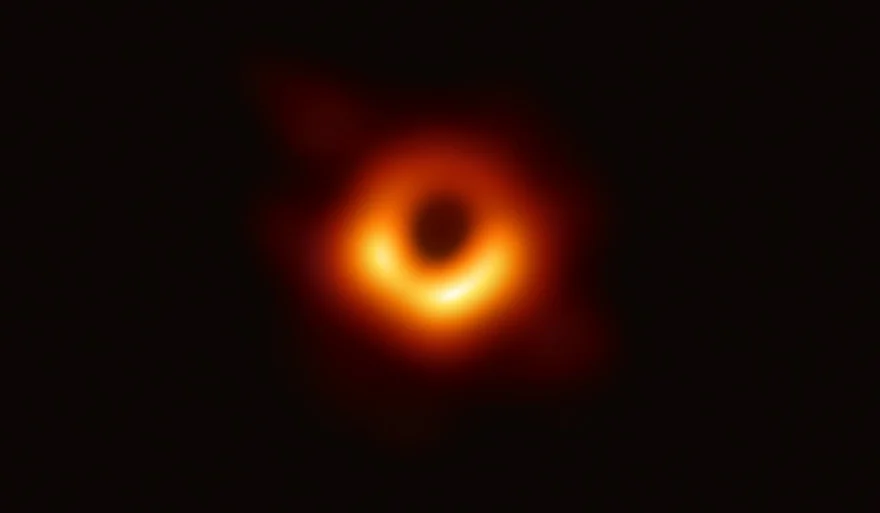
Send two rays past a simulated black hole. A small change in how closely they pass can let one escape while the other falls in. Replay both paths to see where they diverge.
Hands-on astronomy for iPhone & iPad
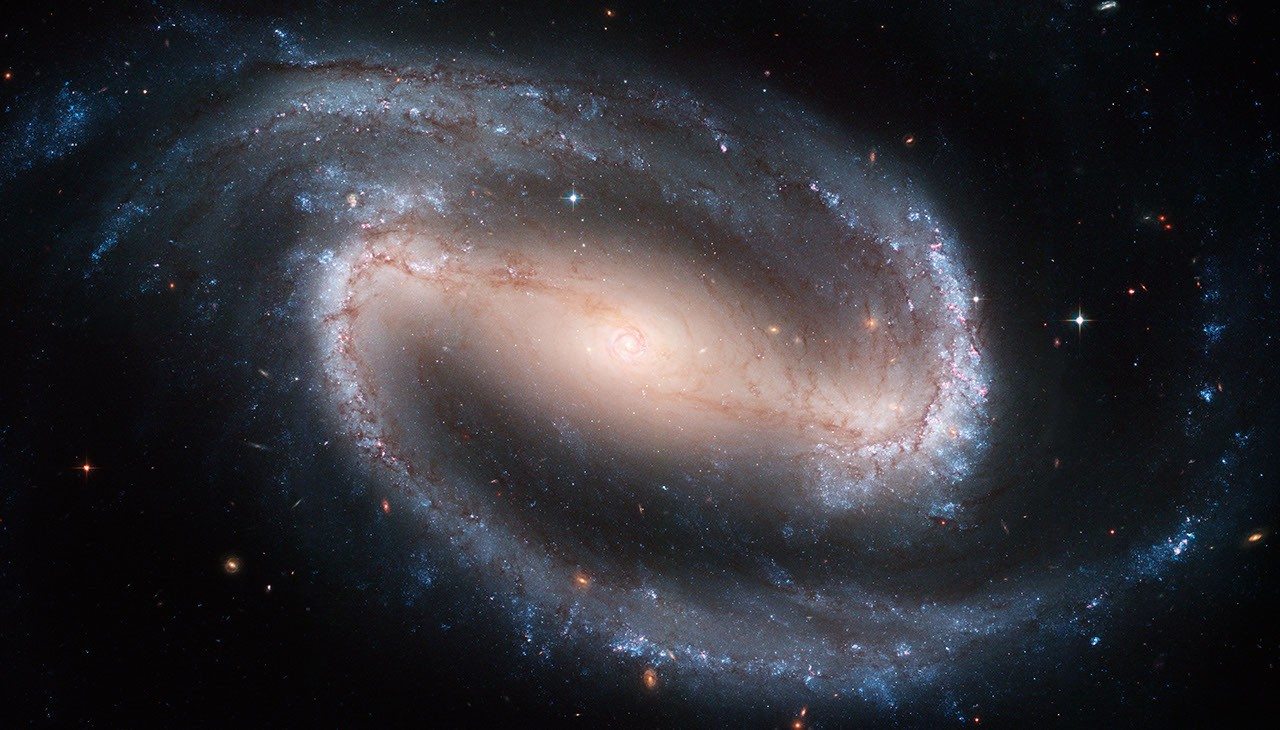
Use real galaxy measurements to see what visible matter can explain. Add a dark matter halo and watch the rotation curve change.
Free in 2.0
Send two rays past a simulated black hole. A small change in how closely they pass can let one escape while the other falls in. Replay both paths to see where they diverge.
Included with Complete
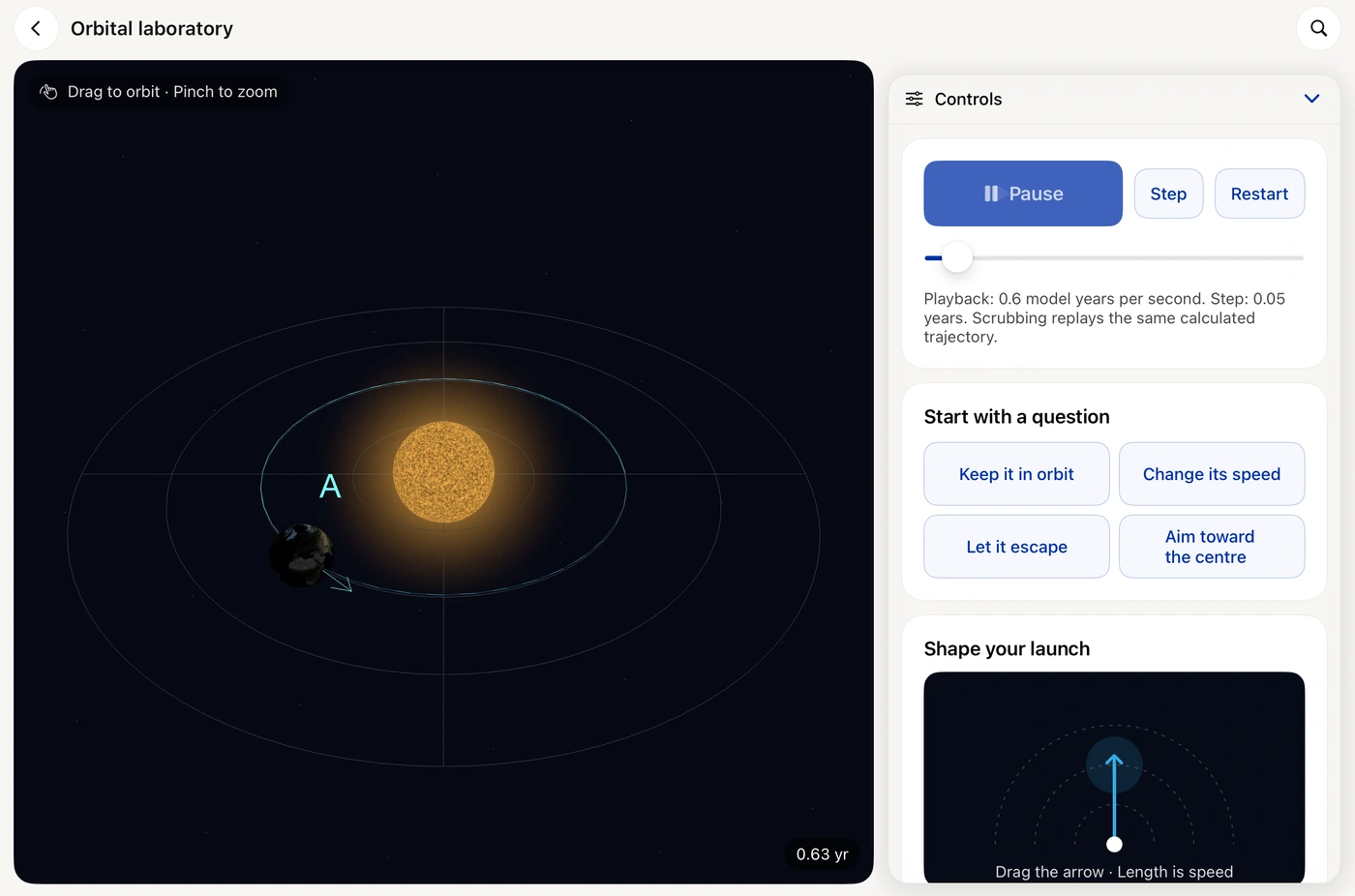
Choose a launch direction and speed. Step through the planet’s path to see whether it circles the star, falls inward or escapes.
Try the flight model
Fly to Proxima Centauri with one clock on the ship and another on Earth. Compare how much time passes for each observer.
One-way trip at constant speed. Acceleration is omitted.
Start with a question that interests you. If you want to design your own orbits or investigate other models, Complete is a one-time in-app purchase.
View on the App StoreFit a galaxy rotation curve, identify lines in a spectrum and measure light travel times. Start with two guided investigations.
Unlock all nine workbenches and twelve guided investigations. Build orbits, tilt a black hole’s accretion disk and compare up to four celestial objects side by side.